An affordable weekend break is not simply the room with the lowest headline rate. Travel, meals, parking, check-in times and the location of the accommodation all affect the real cost.
Start with a comfortable total budget and decide which part of the break matters most. Spending selectively on location, one meal or an extra night can deliver better value than adding facilities you will barely use.
Affiliate disclosure: This page may contain affiliate links. If you buy through one, we may earn a commission at no extra cost to you.
| Idea | Best for | Budget |
|---|---|---|
| One-night city stay | Short travel and a lively evening | Budget–mid-range |
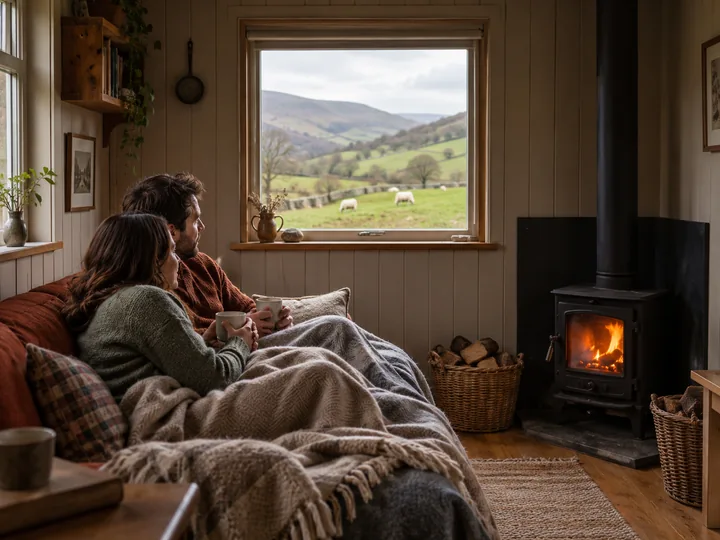
| Self-catering cottage | Privacy and simple meals | Flexible |
| Off-season coast | Walks and quieter streets | Budget–mid-range |
| Sunday spa stay | Rest with flexible timing | Mid-range |
What Makes a Weekend Break Affordable
Value comes from the complete plan rather than one unusually low price.
-
Set a door-to-door budget
Add accommodation, travel, parking, food and the activity you most want to do. Leave a small margin for changes rather than spending the full amount on the room. A central stay may cost more but remove taxis, parking and wasted time.
Best for: Every short break
Why we like it: A realistic total prevents cheap-looking options becoming expensive.
-
Choose one priority
Decide together whether location, comfort, food, scenery or privacy matters most. Pay for that element and keep the rest simple. A good view with a supermarket supper may suit you better than a basic room followed by several costly activities.
Best for: Couples with a fixed limit
Why we like it: Focused spending feels deliberate rather than restrictive.
One Night or Two?
The cheapest number of nights is not always the best value once travel is included.
-
Choose one night for nearby places
A one-night stay works when the journey is short, check-in is straightforward and one evening is the main occasion. Arrive early enough to enjoy the destination and avoid a schedule that begins with a late drive after work.
Best for: A celebration close to home
Why we like it: You pay for less accommodation without losing most of the visit to travel.
-
Use two nights for longer journeys
Two nights can be better value when advance rail fares, fuel or a long drive form a large part of the cost. The uninterrupted middle day lets you use the destination without carrying luggage or watching checkout time. Compare totals before assuming one night saves more.
Best for: Coast and countryside trips
Why we like it: More usable time can justify the additional night.
Avoid Travel-Cost Traps
Transport can quietly become the largest part of a short-break budget.
-
Compare rail fares before dates
Check return fares, split-ticket options from legitimate retailers and whether travelling slightly earlier or later changes the total. Do not book non-refundable accommodation until both outward and return journeys are workable. Include station parking and local transfers.
Best for: City and rail-led breaks
Why we like it: The destination is only affordable when you can reach it sensibly.
-
Calculate driving costs honestly
Include fuel, parking, tolls and the chance that a rural stay requires extra journeys for food. Free parking far outside a centre may lead to buses or taxis. A closer destination with easier logistics often leaves more money and energy for the weekend itself.
Best for: Flexible road trips
Why we like it: Mileage alone hides several common costs.
City, Countryside or Coast
Each type of destination creates different opportunities to save.
-
Use cities for free culture and easy transport
Compact UK cities can combine galleries, museums, markets and evening walks without a car. Stay just beyond the most expensive streets but close to a reliable bus or rail route. York is one useful option; see our guide to romantic weekend breaks in York for couples when comparing a short city stay. For a broader city-break accommodation option, Thistle Hotels can be worth comparing alongside independent stays. Check event weekends, when ordinary rooms may rise sharply.
Best for: Car-free couples
Why we like it: Free attractions and walkability control daytime spending.
-
Choose countryside and coast carefully
Rural and coastal stays support inexpensive walks and simple days, but food, transport and seasonal opening hours need planning. A room near one village or a self-catering base can reduce driving. Check weather alternatives before paying for outdoor-only plans.
Best for: Quiet, scenery-led breaks
Why we like it: The landscape supplies much of the activity.
Midweek and Off-Season Value
Quieter dates can cost less, but only when the destination still works for you.
-
Compare Sunday and weekday stays
Sunday-night and midweek rates may be lower than Saturday, particularly outside school holidays and major events. Confirm restaurant opening, transport and work commitments before choosing. A reduced room rate has little value if everything you wanted is closed.
Best for: Couples with flexible leave
Why we like it: Changing the day can protect the experience as well as the budget.
-
Use shoulder seasons
Late spring, early autumn and non-festive winter weekends can offer a calmer pace. Pack for changing conditions and choose a destination with indoor options. Avoid claims of guaranteed bargains: compare the actual total for your dates and cancellation needs.
Best for: Flexible sightseeing
Why we like it: You can trade peak demand for a less crowded visit.
Accommodation Types That May Save Money
Different formats suit different plans, and none is always cheapest.
-
Compare guesthouses and simple hotels
A well-located guesthouse with breakfast may beat a cheaper room that requires parking and meals elsewhere. Check bathroom arrangements, arrival hours and reviews for practical details rather than choosing solely by star category.
Best for: Short city and town stays
Why we like it: Useful inclusions can reduce the final bill.
-
Use self-catering when you will cook
Cabins, cottages and studios can save money when you genuinely plan breakfast or one evening meal. Include cleaning fees, heating, deposits and groceries in the comparison. Paying for a kitchen and then eating every meal out is rarely economical.
Best for: Privacy and slow mornings
Why we like it: The facility only saves money when it changes your spending.
How to Avoid False Economy
The lowest price is poor value when it adds stress, risk or unusable time.
-
Read cancellation and access terms
Check payment timing, cancellation, late arrival, minimum stays and accessibility before booking. A non-refundable rate can be reasonable when plans are certain, but the saving should justify the risk. Keep confirmation details available offline.
Best for: Every booking
Why we like it: Clear terms prevent expensive surprises.
-
Do not overfill a budget itinerary
Choose one paid highlight and use walks, markets or free cultural venues around it. Repeated taxis, snacks and timed entries can cost more than one considered activity. For inexpensive plans before or during the trip, see our cheap date ideas under £30.
Best for: A relaxed affordable weekend
Why we like it: Fewer bookings protect both money and time.
A Practical Affordable-Break Checklist
A quick final check can reveal costs that are easy to miss in a headline rate.
-
Check exactly what the rate includes
Confirm taxes, breakfast, parking, Wi-Fi, spa access, deposits and payment timing before comparing properties. Save the confirmation and cancellation terms somewhere you can reach without mobile signal. If the accommodation is remote, check the latest arrival time and whether reception is staffed.
Best for: Avoiding surprise charges
Why we like it: The useful comparison is the complete stay, not the first price shown.
-
Plan one inexpensive meal in advance
Choose a supermarket, market, bakery or simple café near the route before arrival. This avoids making every food decision when you are tired or in a tourist centre. If you are self-catering, confirm the kitchen equipment and local opening hours before assuming you can cook.
Best for: Keeping food costs predictable
Why we like it: One practical plan reduces impulse spending without controlling the whole weekend.